
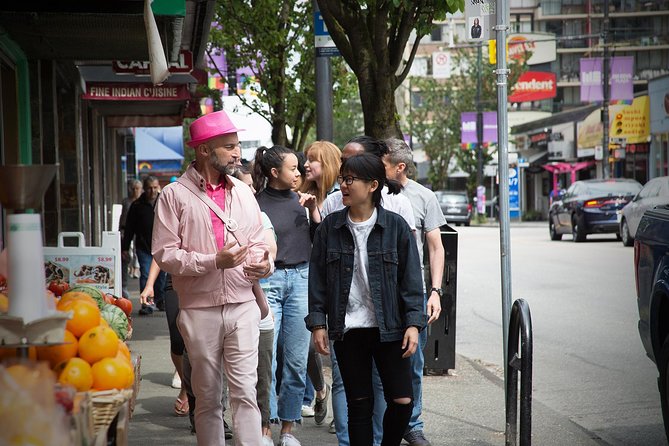
Reviewed · HISTORICAL TOURS
The Really Gay History Tour in Vancouver, Canada
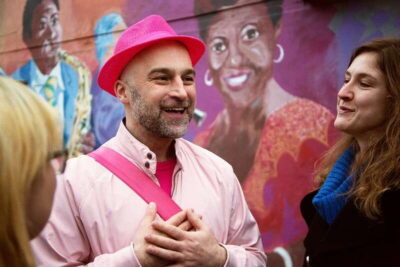
Vancouver’s queer past is written into ordinary streets, parks, churches, plazas, and storefronts. This two-hour walk brings those places together, from early Pride marches and Imperial Court coronations to the GRID crisis, bookstore bombings, and the fight for recognition of Two-Spirit people. Guide Glenn, known for his pink outfit and lively storytelling, gives the tour a human face.
I like two things right away: the stories are tied to real places, and the walk ends in the Davie Street village, where you can keep exploring on your own. I also like the balance of humor, sorrow, activism, and hope. The main consideration is that the tour uses explicit language and covers painful subjects, so it suits adults and mature teens better than young children.
Key points to know
- Meet Glenn in pink outside Trees Organic Coffee Shop at 930 Burrard Street.
- Walk through Vancouver’s queer history, including Pride, drag, church activism, the GRID crisis, and Two-Spirit stories.
- Finish at Jim Deva Plaza in the heart of the Davie Street village.
- Expect a moderate two-hour walk through downtown and the tree-lined West End.
- Small groups are limited to 20 people, which helps keep the storytelling personal.
- Rain or shine means exactly that, so sensible shoes and weather protection matter.
Why this walk adds another layer to Vancouver
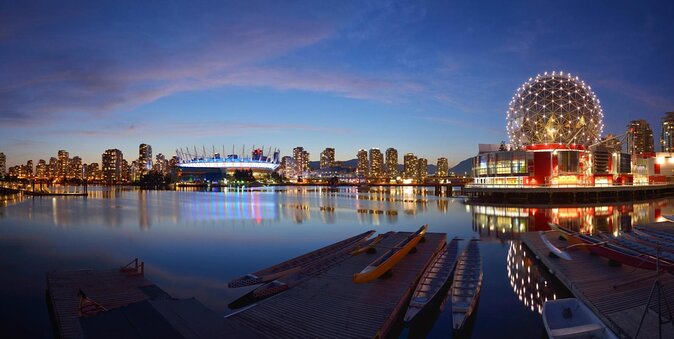
You can explore downtown Vancouver for days and miss the stories beneath its polished surface. A coffee shop, church, park, or bookstore may look like an ordinary city stop, yet each can carry memories of protest, loss, celebration, or hard-won change.
That is the point of this tour. It does not treat LGBTQ2+ history as a side note. Instead, it places queer lives at the center of Vancouver’s urban story. You move through the city on foot while hearing how people built community, challenged discrimination, cared for one another during crisis, and claimed public space.
The route also has a useful shape. It begins near Burrard Street, crosses parts of downtown and the West End, and finishes on Davie Street. You get a history lesson, a neighborhood orientation, and a practical introduction to the city’s best-known gay village in one outing.
The tour costs $29.29 per person. For two hours with a professional guide, that is a reasonable price, especially if you value interpretation rather than simply looking at buildings. You are paying for research, narration, and the connection between places that may otherwise seem unrelated. If you only want a quick walk past famous sights, this is not the best use of your money. If you want context and human stories, the value is strong.
More history tours in Vancouver:
- Gastown Historic Walking Food Tour
★ 5.0 · 1,863 reviews - Vancouver: Guided Food and City History Tour
★ 4.5 · 53 reviews - Vancouver: LGBTQ2+ History Tour in the West End
★ 4.9 · 20 reviews
Meeting the guide at 930 Burrard Street
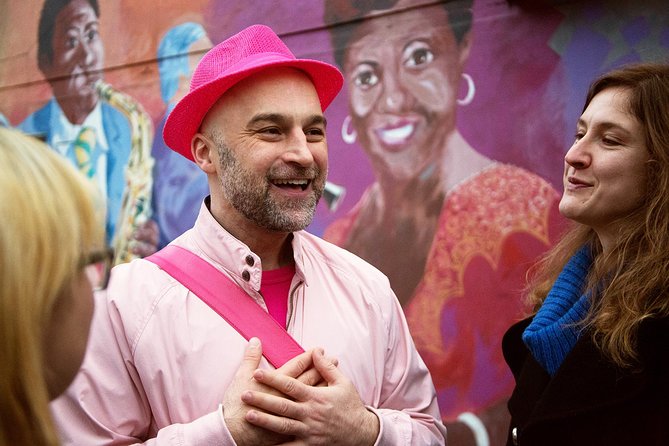
The start point is outside Trees Organic Coffee Shop at 930 Burrard Street. The meeting time is 10:00 a.m., and you should arrive about 10 minutes early. The group leaves on time, so cutting it close can mean starting the morning on your own.
The tour’s guide is identified as the man in pink, a simple detail that makes him easier to spot in a city crowd. Glenn leads many of the tours, and his style is a major part of the experience. He speaks with warmth and humor, but he also knows when a story needs care and quiet.
That mix matters. Vancouver’s queer past includes fun, performance, and community celebrations, but it also includes fear, illness, violence, and exclusion. Glenn’s approach, as shown through the tour’s description and direct feedback, is to let the emotional weight remain while keeping the walk approachable.
The group can include up to 20 people. That is not a private tour, but it is small enough for a guide to keep the pace together and speak to the group rather than to a distant crowd. The tour is offered in English only.
From Pride and drag to church activism
Early in the walk, the stories connect public celebration with the places where queer people sought safety and support. You hear about Imperial Court coronations and drag kings at the Quadra, two examples of the performance and social life that helped create community.
The mention of drag kings is particularly useful because queer history is often reduced to a few familiar names or events. Here, the story includes performance traditions that helped people express identity, build friendships, and raise money or visibility. The emphasis is not just on nightlife. It is on the work that community spaces did.
The route also includes gay ministers at the United Church. That stop widens the story beyond bars and clubs. Religious institutions have not always been welcoming to LGBTQ2+ people, so the presence of openly gay ministers carries its own history of change, conflict, and belonging.
You do not need prior knowledge of Vancouver’s queer community to follow the tour. The guide links each subject to the city around you, allowing the information to build as you walk. That makes the experience useful for first-time visitors and locals alike. Glenn’s research is detailed enough that even someone who has lived in Vancouver for years may learn something new.
The GRID crisis and the personal cost of history
The tour does not present queer history as a steady march toward progress. One of its darker subjects is the GRID crisis, a term used in the early years of the AIDS crisis. You can expect this part of the walk to address fear, stigma, illness, and the ways communities responded when official support was limited or slow.
This is one reason I would not book the tour for children under 14. The subject matter is serious, and the walk contains explicit language. Parents and guardians should also consider the tone, not just the age recommendation. The experience deals with real suffering, but it is not designed as a light sightseeing stroll.
The value here is the human scale. A date or policy can tell you when something happened. A guide can help you understand how it affected people who lived through it. Glenn’s storytelling has been praised for making these stories vivid and for honoring the people involved rather than treating them as background facts.
You may laugh during this section, too. That is not a contradiction. Humor has long been part of queer survival and community life. A good guide can use it without making light of pain, and that balance is central to the tone of this walk.
Same city, a very different sort of afternoon:
- Vancouver Half-Day Whale Watching Adventure with Free Photos
★ 5.0 · 5,000 reviews - Big Bus Vancouver Hop-On Hop-Off Sightseeing Tour
★ 3.5 · 3,028 reviews - Victoria & Butchart Gardens Tour with Ferry from Vancouver
★ 4.5 · 2,703 reviews - Vancouver: Covered Whale Watching Adventure with Free Photos
★ 4.8 · 2,260 reviews
Nelson Park and the meaning of an urban oasis
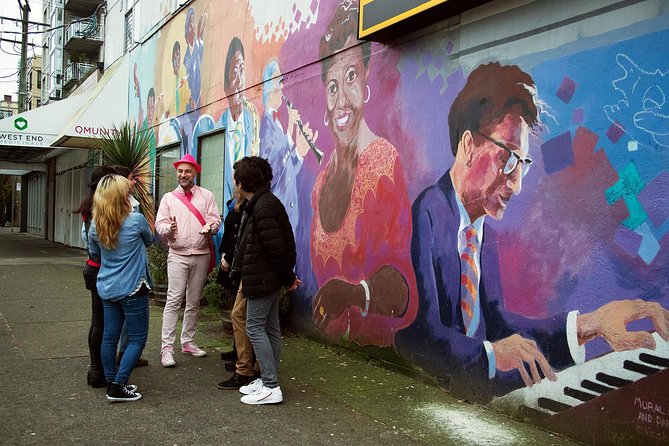
Nelson Park provides a change of pace. The route moves through this urban oasis as part of the larger story of where people gathered and found room to breathe.
A park stop also keeps the tour from becoming a march between buildings. You have a moment to take in the tree-lined West End and see how public space shapes neighborhood life. The walk is not only about famous addresses. It shows how ordinary outdoor places can become important to a community.
You should still expect a real walk rather than a short stroll. Sensible shoes are essential, and sunscreen is wise on a warm day. The tour takes place rain or shine, although many stops are under cover. Vancouver weather can change quickly, so a light waterproof layer is a sensible choice.
The physical demand is moderate. The information provided does not give a total distance, but the tour lasts about two hours and takes place on foot through downtown and the West End. If you have mobility concerns, contact the provider before booking rather than assuming the route will suit you.
Vancouver’s first Pride parade and the fight for public space
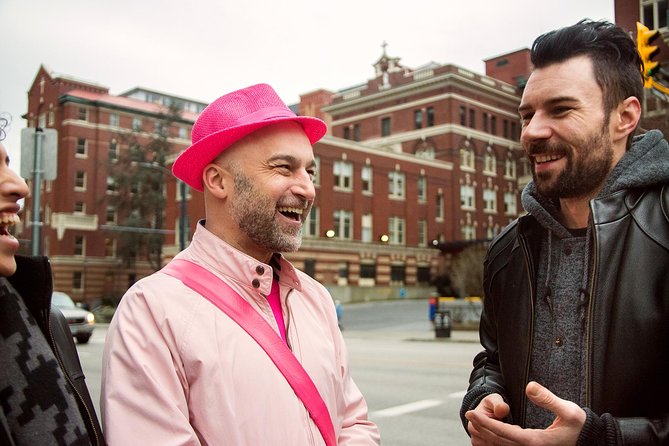
The route continues into the history of Vancouver’s earliest Pride parade. This gives you a way to see Pride as more than a modern festival. It began as a public claim to visibility and safety, and its early form reflects the risks and determination involved in stepping into the street.
The route also includes Jim Deva Plaza, where the tour ends. The plaza honors Jim Deva, a Vancouver bookseller and activist associated with Little Sister’s Book and Art Emporium. The stop connects queer culture, free expression, and the importance of having places where LGBTQ2+ people could find books, ideas, and community.
The story of bookstore bombings adds a sobering edge. Bookstores can look harmless, but for many people they have been essential sources of identity and connection. When such places were attacked, the damage was not only to property. It was an attack on access, visibility, and the right to gather around ideas.
This is the kind of detail that can change how you see the city after the tour. You may walk past a bookstore or plaza later and remember that public space is rarely neutral. Someone fought to make it welcoming.
A transgender campaigner and Vancouver’s secret gay village
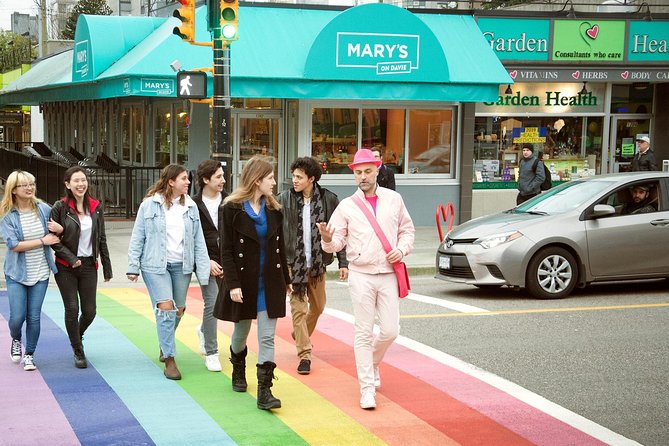
One of the route’s more surprising stories involves a transgender campaigner who exposed information connected to the biggest crime in Vancouver history. The description does not give every detail in advance, which is probably for the best. This is a story to hear from the guide at the place where it fits into the city’s wider past.
The important point is the role of a transgender person as an active investigator, campaigner, and whistleblower. Queer history often gets told through a narrow set of figures. This tour expands that frame and shows how transgender people have shaped public life and civic accountability.
You also hear about Vancouver’s secret gay village. The phrase suggests a period when queer community life existed but was not always openly marked on the map. That contrast with today’s Davie Street village gives the walk a useful before-and-after structure.
The route does not ask you to view the gaybourhood as a fixed or timeless place. It shows how neighborhoods change as people move, gather, organize, and gain the freedom to be more visible. You see the result at the end of the tour, but you also learn about the less visible networks that came before it.
Two-Spirit history and the story of Gone to the Spirits
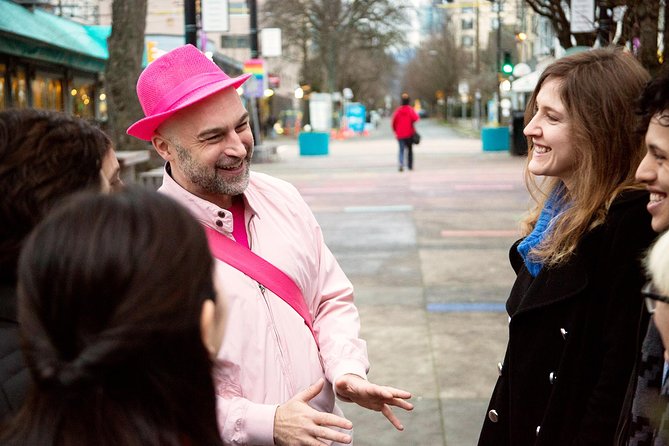
The walk includes the remarkable story of a Two-Spirited warrior called Gone to the Spirits. This is a valuable part of the tour because it places Indigenous gender and sexuality within the wider history rather than treating them as a modern addition.
Two-Spirit is a term connected to Indigenous understandings of gender, sexuality, community roles, and identity. The story of Gone to the Spirits gives the guide a specific person and narrative through which to discuss that history. It also reminds you that Western labels cannot explain every Indigenous tradition or experience.
Listen closely here. This is not simply another colorful anecdote. It broadens the tour’s view of Vancouver’s LGBTQ2+ past and challenges the idea that queer history began with recent activism or urban nightlife.
The inclusion of this story also adds depth to the route’s other themes. Community, courage, public identity, and resistance take different forms across time and culture. A thoughtful guide can show those connections without pretending that all experiences are the same.
Ending on Davie Street
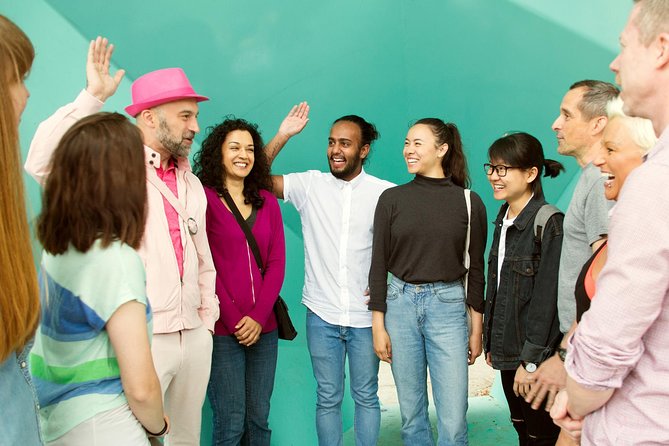
The walk ends at Jim Deva Plaza, at 1200 Bute Street, in the middle of the Davie Street village. This is a practical finish. You are close to bars, restaurants, and other places where you can continue exploring after the guide says goodbye.
I like tours that end in a neighborhood rather than sending you back to the starting point. You finish with a clear sense of where you are, and you can use the rest of the day for lunch, coffee, shopping, or more sightseeing. The ending also makes the history feel current. The stories are not locked in the past. They connect directly to the streets and businesses around you.
You may want to plan this tour early in your Vancouver visit so you can return to Davie Street later with more context. Scheduling it on your last day can also work well, especially if you have already walked through the area and want to understand what you saw. The tour takes only about two hours, so either choice leaves plenty of time for other plans.
Who will get the most from this tour
I would recommend this walk to anyone who wants more than a general city overview. It suits LGBTQ2+ visitors, allies, students of social history, and Vancouver residents who know the streets but not the stories attached to them.
It is also a good choice for solo visitors. The group format gives you company without requiring a full-day commitment. Couples and friends can expect plenty to discuss afterward, since the route covers both difficult subjects and moments of celebration.
The tour may not suit you if you dislike walking, need a completely child-friendly activity, or prefer a quiet tour without explicit language. It is also not the right pick if your main goal is architecture, food, or scenic views. The city is the setting, but the people and stories are the focus.
The format is accessible in one important sense: you do not need to prepare beforehand. The guide supplies the context as you move. Still, I would arrive rested, wear shoes with good support, and bring water and weather protection.
Booking, weather, and cancellation details
The tour is booked about 33 days ahead on average, which suggests planning early can be sensible, especially if your dates are fixed. A mobile ticket is provided, and confirmation arrives at booking.
Service animals are allowed, and the start point is near public transportation. The tour is offered in English, with a maximum group size of 20 people.
Free cancellation is available if you cancel at least 24 hours before the start time. Changes or cancellations made within 24 hours are not accepted for a refund, and cut-off times use Vancouver’s local time.
Should you book The Really Gay History Tour?
Book it if you want Vancouver to feel more personal and more complicated. Glenn’s strength is not simply recalling dates. It is connecting activism, loss, performance, faith, public space, and community through stories that stay with you.
The $29.29 price is fair for a two-hour guided walk, and the end point on Davie Street gives you useful freedom afterward. Just prepare for explicit language, serious subjects, and rain-or-shine conditions. If those points suit you, this is one of the better ways to understand Vancouver beyond its postcard views.
FAQ
How long is The Really Gay History Tour?
The tour lasts approximately two hours.
Where does the tour start?
Meet your guide outside Trees Organic Coffee Shop at 930 Burrard Street, Vancouver, British Columbia.
Where does the tour end?
The walk ends at Jim Deva Plaza at 1200 Bute Street, in the Davie Street village.
What time does the tour start?
The scheduled start time is 10:00 a.m. You should arrive 10 minutes early because the tour leaves on time.
Is the tour suitable for children?
The tour is not recommended for guests under 14. It also contains explicit language and discusses serious subjects.
Does the tour operate in bad weather?
Yes. The walk operates rain or shine, although many stops are under cover.
What is the cancellation policy?
You can cancel for a full refund up to 24 hours before the experience start time. Cancellations or changes made less than 24 hours before the start time are not accepted for a refund.
Recently reviewed around Vancouver
- West Coast Party Crawl – Route B★ 4.4 · 13 reviews
- Vancouver: Morning Kayak & Seal Cruise★ 4.9 · 6 reviews
- Vancouver: Zodiac Whale Watching Tour from Granville Island★ 4.6 · 6 reviews
- West Coast Party Crawl – Route A★ 4.5 · 9 reviews
- Vancouver: Self-Guided Smartphone Walking Tour of Gastown★ 4.0 · 15 reviews
- Vancouver Waterfront Guided Bike/E-Bike Tour★ 5.0 · 3 reviews
- Vancouver: Waterfront Sightseeing Tour – City and Waterfall★ 4.9 · 8 reviews
- Vancouver UNESCO Biosphere Reserve Wildlife Scenic Boat Tour★ 5.0 · 5 reviews
Historical Tours, compared.
Vancouver Holiday History and Hot Chocolate Tour
Read our review →Browse the lists this tour appears in