
Reviewed · STANLEY PARK TOURS
Vancouver Secrets of Stanley Park Walking Tour
Stanley Park is more than giant trees, ocean views, and a pleasant seawall. This two-hour walk brings out the park’s less visible past: Indigenous settlements, forced changes, old cemeteries, smallpox, war, crime, and the vanished village remembered through scattered clues. Deadman’s Island gives the tour its darkest edge, while the totem poles and forest paths keep it grounded in the living culture and beauty of the park.
I like two things especially. First, the guide-led storytelling gives meaning to places you could easily pass without noticing. Second, the route mixes serious history with public art, forest, water views, and quiet stretches, so it never feels like two straight hours of dates and names. The main drawback is the walking pace and terrain: you need moderate fitness, and this may not suit young children or anyone who struggles with a two-hour walk.
Key points to know before you book
- Deadman’s Island adds the tour’s darkest stories: Hear about hidden burial grounds, smallpox, war, and mystery.
- Indigenous history receives real attention: The tour examines the people who lived in and around the park, along with the pressures that displaced them.
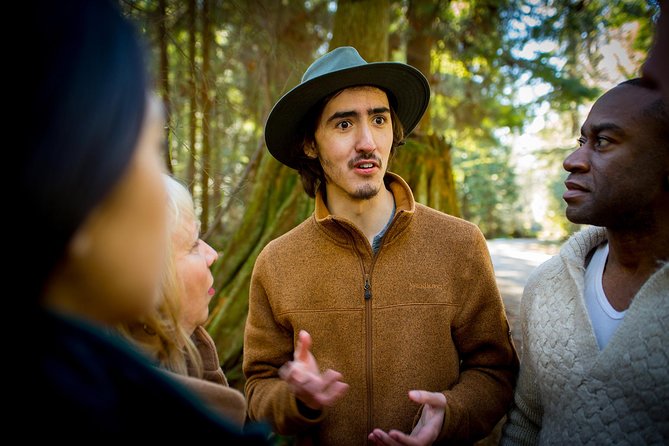
- Guides carry the experience: Glenn, Rob, Aislynn, Aman, Cole, and Theo have all led tours praised for clear storytelling and friendly group management.
- The walk includes major Stanley Park sights: You’ll see Brockton Point’s totem poles and reach the famous seawall.
- The group stays fairly small: The maximum is 20 people, with narration designed for a walking group.
- Plan for the weather and the walk: The tour runs in all conditions, starts near the Vancouver Aquarium, and requires you to arrange your own transportation there.
Why Stanley Park’s darker past is worth your time
Many first visits to Stanley Park focus on scenery. That makes sense. The cedars, ocean, harbor, and seawall are the obvious draw. But scenery alone can leave the park feeling like a beautiful green island separated from Vancouver’s past.
This tour changes that. It shows you how the park was shaped by people, policies, conflict, and loss. You hear about Indigenous communities who lived in the area and the authorities who tried to control or remove them. You also hear about the older events that gave places such as Deadman’s Island their uneasy names.
That is valuable context. You are not simply looking at a totem pole or walking past a forest clearing. You are learning why the place matters, who used it, and what has been erased or remembered. The tone is not a ghost-story performance alone. The darker material connects to colonial history, public health, war, burial, and the growth of Vancouver.
The strongest part of the experience depends on the guide. Several guides are named in the tour feedback, including Glenn, Rob, Aislynn, Aman, Cole, and Theo. Their styles differ, but the qualities that matter are consistent: clear explanations, humor when appropriate, strong storytelling, and attention to the group. Glenn is especially noted for handling a group’s needs and keeping people together. Rob adjusted his pace after finding the first stretch too fast for some older walkers.
That last point matters. A good guide can make a busy public park feel organized, but you still need to speak up if you need a slower pace or a short pause.
More Stanley Park tours:
- Vancouver City Sightseeing Tour: Granville Island & Stanley Park
★ 4.5 · 1,782 reviews - Vancouver Tour: Stanley Park, Granville Island & Capilano Bridge
★ 4.5 · 1,778 reviews - The Stanley Park Bicycle Tour by Cycle City Tours
★ 5.0 · 785 reviews
Meeting beneath the Vancouver Aquarium
The walk starts outside the Vancouver Aquarium at 845 Avison Way, in Stanley Park. Public washrooms are available at the start point, down the steps beneath the aquarium, so use them before setting off. You should arrive at least 10 minutes early.
The tour starts and finishes at the same place. Transportation to and from the meeting point is not included, so plan your route before booking. The location is near public transportation, but the information supplied does not specify a particular bus stop or transit route.
Beginning near the aquarium is practical. You can combine the walk with an aquarium visit before or after, but you should allow enough time between activities. The tour itself lasts about two hours, and timing may feel longer if the guide stops for questions or if the group moves at a relaxed pace.
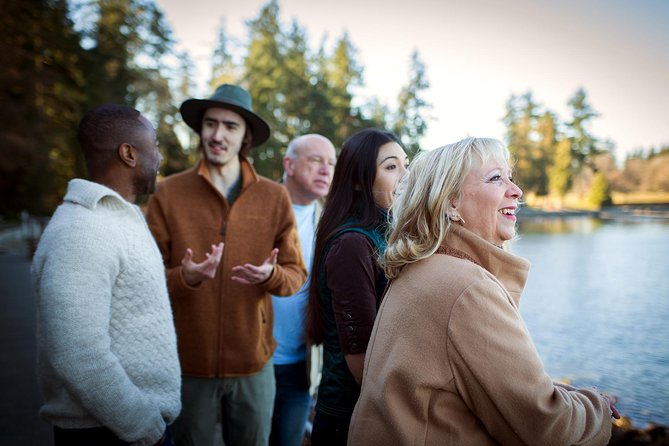
The maximum group size is 20 people. One reported group had 19, which gives you a useful sense of the possible scale. This is not a private walk, but it is small enough for the guide to speak directly to the group and keep an eye on everyone.
Deadman’s Island and the stories beneath the park
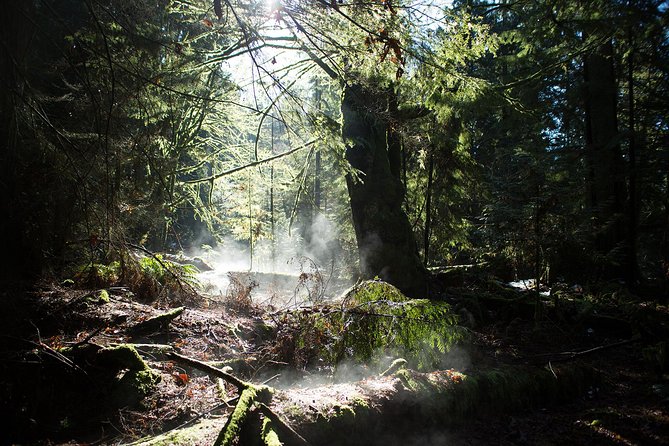
Deadman’s Island is one of the tour’s most distinctive stops. You’ll hear about hidden cemeteries, smallpox, war, and mystery. The name alone attracts attention, but the value is in placing those subjects within the wider story of Stanley Park.
This section is likely to appeal to you if you enjoy unusual local history rather than a standard list of landmark facts. It also explains why some parts of the park feel layered. A path, shoreline, or stand of trees may look peaceful now, yet the stories connected to it can involve disease, burial, conflict, and people whose presence was later pushed aside.
The material is not presented as light family entertainment. One family found the dark subject matter less suitable for children, even while enjoying the tour. The minimum age is 10, and that gives you a useful warning: older children may follow the walk, but the content may be uncomfortable or too serious for some.
The guide-led format helps here. A well-told explanation can connect difficult events without making them feel sensational. Aislynn was praised for animated and humorous storytelling, while other guides were described as clear, engaging, and easy to follow. The right guide gives the darker material shape and context rather than simply piling on shocking details.
Brockton Point totem poles and what came before
The Brockton Point totem poles are a must-see Stanley Park stop, but this tour adds an important question: what came before the poles now presented to the public?
You’ll learn about the people and communities connected with the area, along with the meaning of the park’s Indigenous past. The tour also touches on the significance of cedar trees and totem poles as carriers of stories about nature, ancestors, and identity.
That makes this stop more useful than a quick photo break. You can look at the carvings with a better sense of their cultural weight. The walk also helps correct the common habit of treating Indigenous art as decoration separated from living people and continuing traditions.
The discussion reaches beyond the poles. It includes Indigenous settlements and the struggle with local authorities over the right to remain in the park. This is one of the strongest reasons to choose the tour. You are not only hearing when Stanley Park was created or how Vancouver grew. You are confronting the human cost of that growth.
The guide may also connect the stop to poets, carvers, park workers, and the people who shaped Vancouver’s public memory. Glenn was particularly praised for bringing together history, plants and animals, human-interest stories, poets, and carvers. The exact emphasis can vary by guide, but the broader lesson remains: Stanley Park is a cultural place, not just a recreational one.
More walking tours in Vancouver:
- Gastown Historic Walking Food Tour
★ 5.0 · 1,863 reviews - Vancouver Lost Souls of Gastown Walking Tour
★ 5.0 · 1,273 reviews - A Wok Around Chinatown: Culinary and Cultural Walking Tour Led by a Chef
★ 5.0 · 610 reviews - The Forbidden Downtown and Gastown Walking Tour
★ 5.0 · 476 reviews
The seawall brings the story back to Vancouver

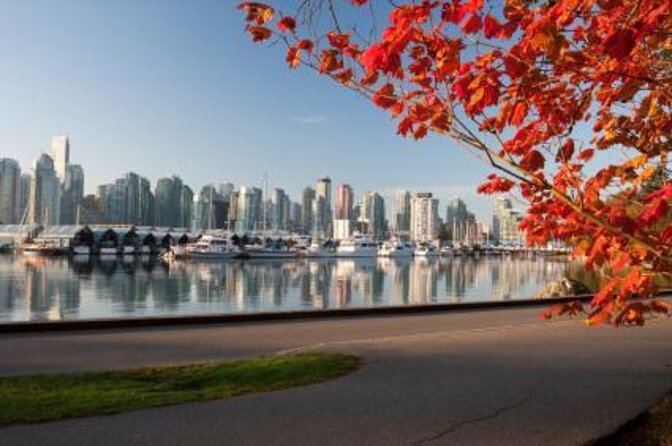
The Vancouver Seawall offers the tour’s most open views. After the darker forest and burial stories, reaching the water gives you a change of pace. You can take in the harbor and coastline, see the park from a wider angle, and understand why Stanley Park became such an important part of Vancouver’s identity.
The seawall also has its own story. The walk includes the history of the people who built it, adding human work to the familiar postcard view. You may hear about the craftsmen and construction behind this famous public path rather than treating it as a finished feature that simply appeared.
This contrast is one of the tour’s strengths. You move between quiet woods, historic sites, carved poles, and broad water views. Seaplanes may occasionally interrupt the sound, but one large group still found the guide easy to hear despite nearby takeoffs.
The tour is not a dedicated nature walk, and it is not a full seawall circuit. You should book it for storytelling with scenery, not for covering every section of Stanley Park. The seawall stop gives you memorable views, but the focus remains the park’s human stories.
How much walking should you expect?
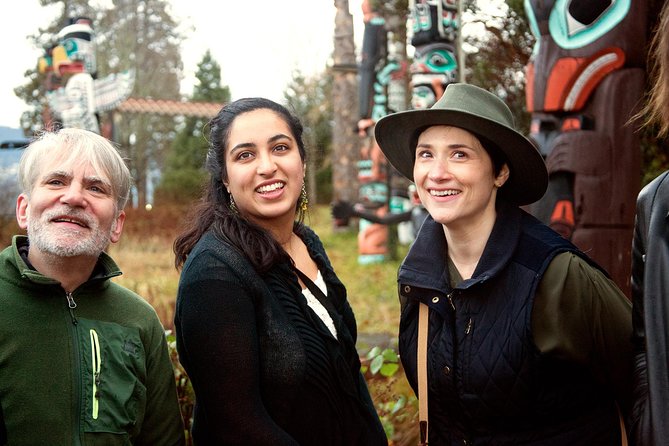
The listed duration is about two hours, and the tour requires a moderate level of physical fitness. You will be on foot for the full experience, with no transportation between stops.
The total distance is not provided, so I would not book this if you need precise mileage or a guaranteed flat route. The route includes forest paths and public walkways, and one participant noted that the first stretch felt fast until the guide adjusted the pace. If you walk comfortably for two hours, you should be in the right range. If standing or walking for that long is difficult, consider a shorter activity instead.
Wear shoes suited to walking and dress for changing weather. The tour operates in all weather conditions. A rainy day may make the park feel atmospheric, but it can also make the walk less comfortable. Bring suitable outerwear rather than assuming Vancouver’s forecast will hold.
Children must be accompanied by an adult, and the minimum age is 10. Service animals are allowed. The tour information does not provide detailed accessibility specifications, so contact the provider if you need firm answers about surfaces, slopes, seating, or mobility equipment.
The guides make or break a storytelling walk
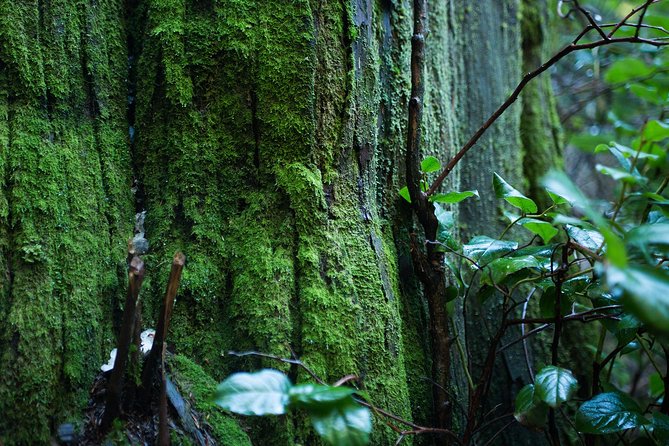
A historical walking tour lives or dies by its guide. Here, the named guides have earned strong praise for different reasons.
Glenn is described as friendly, funny, attentive, and a gifted storyteller. He reportedly took time to learn about the people in his group and made sure everyone was comfortable and accounted for. He also brought together subjects as varied as Indigenous history, flora and fauna, poets, carvers, and the seawall.
Rob was praised for keeping the group captivated for two hours and for adjusting his pace when older walkers needed more time. Aislynn was described as animated, humorous, professional, and well informed. Aman was valued for clear explanations that were easy to follow. Cole was called articulate and fun, while Theo handled a group of 19 without losing people’s attention.
You cannot choose your guide from the information provided, so expect some variation in personality and pacing. That is normal for a small company with several guides. The common thread is a focus on spoken storytelling rather than audio devices or a printed script.
The tour is fully narrated and offered in English. If you enjoy asking questions, listening to local anecdotes, and seeing a familiar place through a guide’s eyes, this format should suit you. If you prefer to wander alone and stop whenever you like, the fixed route and group pace may feel limiting.
Is $29.29 a fair price?
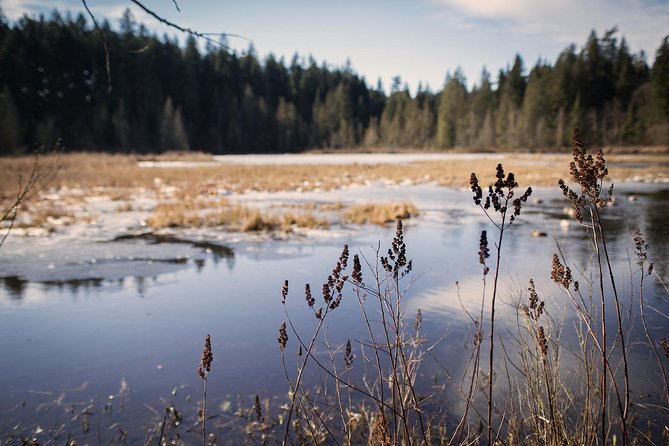
At $29.29 per person, this is a reasonable price for a two-hour guided walk in one of Vancouver’s major destinations. You are paying for a local guide, narration, research, and the chance to connect several scattered sites into one story. There is no separate admission charge for the stops listed.
The value is strongest if you would otherwise walk through Stanley Park without knowing what you were seeing. The totem poles, seawall, and forest are free to visit, but the interpretation is the product. You also get a focused introduction in two hours, rather than spending half a day piecing together information on your own.
The price does not include transportation, food, aquarium admission, or any other activity. It also does not turn the tour into a private experience. With a possible group of up to 20, you should decide if the guide’s stories are worth more to you than the freedom of an independent walk.
A high rating of five stars from 208 reviews and a 100 percent recommendation rate suggest very strong satisfaction, especially with the guides and storytelling. Still, those numbers should not erase the practical cautions: serious subject matter, outdoor conditions, and moderate walking.
Who should book this Stanley Park walk?
I would recommend it to first-time visitors who want more than scenic photos. It is also a good choice for people who have lived in Vancouver for years but have never learned the park’s less visible stories. One longtime Vancouver resident came away with new information, which says something about the depth possible in this compact tour.
History fans should enjoy the Indigenous stories, old burial grounds, vanished settlements, war, disease, and city development. Couples and solo visitors can join easily, and the small-group format makes it easier to hear the guide than on a large coach excursion.
Families should judge the age guidance carefully. Ten is the minimum, but the darker themes may suit mature older children better than younger ones. Anyone looking for a gentle nature stroll should also think twice. The forest and water views are beautiful, but the tour’s purpose is to examine difficult and unusual history.
Should you book the Secrets of Stanley Park Walking Tour?
Book it if you want Stanley Park to make more sense. The tour gives you the famous views, but it also asks you to look at the park’s Indigenous past, old cemeteries, vanished settlements, public art, crime stories, and the labor behind the seawall.
Skip it if you want a completely self-paced walk, dislike serious historical subjects, or cannot manage two hours on foot. For everyone else, $29.29 buys a focused introduction to a place most people only see from the surface. Arrive early, wear weather-ready shoes, and listen closely when the guide points out something easy to miss.
FAQ
Where does the tour start?
It starts outside the Vancouver Aquarium at 845 Avison Way in Stanley Park, Vancouver, British Columbia.
Where does the tour finish?
The activity ends back at the meeting point outside the Vancouver Aquarium.
How long does the walking tour last?
The tour lasts approximately two hours.
What language is the tour offered in?
The tour is offered in English and is fully narrated by a local guide.
What does the $29.29 price include?
The price includes the local guide and fully narrated walking tour. Transportation to and from the meeting point is not included.
What age is required to join?
The minimum age is 10 years old. Children must be accompanied by an adult.
Does the tour operate in bad weather?
Yes. The tour operates in all weather conditions, so you should dress appropriately.
How large can the group be?
The maximum group size is 20 people.
Can I cancel for a full refund?
Yes, if you cancel at least 24 hours before the experience start time. Cancellations made less than 24 hours before the start time are not refunded, and changes within that period are not accepted.
Recently reviewed around Vancouver
- West Coast Party Crawl – Route B★ 4.4 · 13 reviews
- Vancouver: Morning Kayak & Seal Cruise★ 4.9 · 6 reviews
- West Coast Party Crawl – Route A★ 4.5 · 9 reviews
- Vancouver: Self-Guided Smartphone Walking Tour of Gastown★ 4.0 · 15 reviews
- Vancouver: Zodiac Whale Watching Tour from Granville Island★ 4.6 · 6 reviews
- Vancouver Waterfront Guided Bike/E-Bike Tour★ 5.0 · 3 reviews
- Vancouver: Waterfront Sightseeing Tour – City and Waterfall★ 4.9 · 8 reviews
- Vancouver UNESCO Biosphere Reserve Wildlife Scenic Boat Tour★ 5.0 · 5 reviews
Stanley Park Tours, compared.
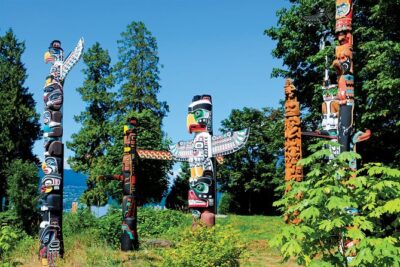
Vancouver City Sightseeing Tour: Granville Island & Stanley Park
Read our review →
Vancouver Tour: Stanley Park, Granville Island & Capilano Bridge
Read our review →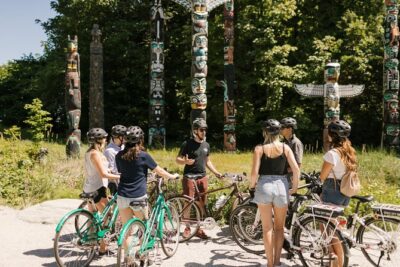
The Stanley Park Bicycle Tour by Cycle City Tours
Read our review →

Sunset Bus Tour: Stanley Park & English Bay Photostops
Read our review →
Browse the lists this tour appears in