
Reviewed · STANLEY PARK TOURS
Talking Trees: Stanley Park Indigenous Walking Tour Led by a First Nations Guide
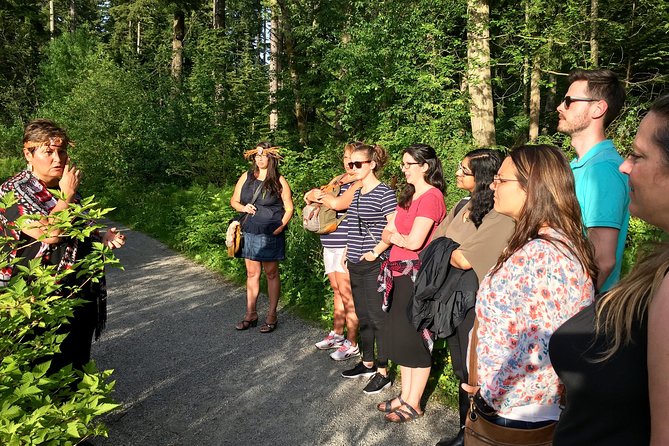
Stanley Park looks familiar until a First Nations guide changes the questions you ask of it. On this 90-minute walk to Beaver Lake, you learn how plants served as food, medicine, shelter, tools, and art, while guides such as Gavin, Shay, Alfonso, and Candace connect the forest to their own family stories.
I like the easy, flat route, which works well for families, older walkers, and anyone who wants a gentle outing. I also like the personal storytelling, including traditional tea and, at times, music or drumming. The main drawback is practical: finding the wooden gazebo at the Stanley Park Bus Loop can be confusing, and the advertised maximum group size of 200 could feel less personal than the smaller groups some people experience.
Key points to know before you book
- A First Nations guide leads the walk: Your Cultural Land Ambassador shares cultural teachings, family background, and practical knowledge of local plants.
- Beaver Lake is the setting: The route follows shaded forest trails and loops around the lake before returning to the starting point.
- The walking is gentle: You cover a little more than 1 mile, or about 2 kilometers, at an unhurried pace.
- Tea is included: You receive one cup of Talaysay Hush Tea, an Indigenous tea blend, during the experience.
- The tour is more than a nature stroll: You learn about Coast Salish peoples, including Musqueam, Squamish, and Tsleil-Waututh connections to the area.
- Plan for your own transport: Parking, buses, taxis, and hotel pickup are not included, and Stanley Park parking is paid.
Why this Stanley Park walk feels different
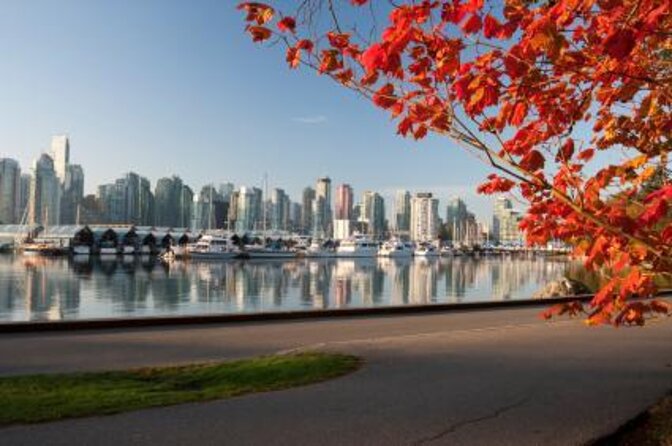
Many people come to Stanley Park for seawall views, towering trees, and the aquarium. This tour takes you away from the park’s busiest attractions and asks you to pay attention to what grows beneath the canopy.
The focus is not simply on naming trees. Your guide explains how plants were used in daily life and why caring for the forest mattered. Cedar, for example, could provide materials for shelter, art, tools, and other household needs. One guide even explained how parts of the cedar tree were traditionally used to make diapers, a detail that makes the subject feel practical rather than abstract.
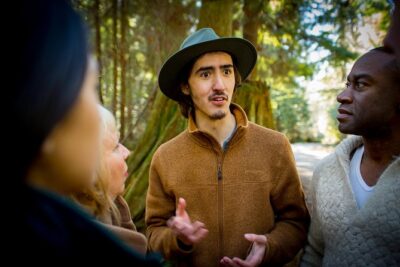
The cultural side is equally important. Guides share Coast Salish traditions and discuss the first peoples of the area, including the Musqueam, Squamish, and Tsleil-Waututh. You may also hear a guide’s own family story. Alfonso has used ancestral drumming, while Wes has welcomed groups with singing and drumming. These personal touches vary by guide, so you should treat them as possible features, not guaranteed parts of every departure.
This is not a museum talk delivered beside a display case. You are walking on the land while learning how people lived with it. That setting gives the information more weight.
More Stanley Park tours:
- Vancouver City Sightseeing Tour: Granville Island & Stanley Park
★ 4.5 · 1,782 reviews - Vancouver Tour: Stanley Park, Granville Island & Capilano Bridge
★ 4.5 · 1,778 reviews - The Stanley Park Bicycle Tour by Cycle City Tours
★ 5.0 · 785 reviews
Meeting at the Stanley Park Bus Loop
The tour begins at the Stanley Park Bus Loop, beside the Mini Train and Aquarium parking area. Look for the round, open-air wooden gazebo inside the bus loop. This is where you check in, meet your Cultural Land Ambassador, and receive a short welcome before walking toward Beaver Lake.
The meeting point is convenient once you know where it is. By car, enter Stanley Park from Georgia Street, follow the Causeway, and take the Pipeline Road exit at the roundabout. Continue uphill past the Rose Garden, then turn right into the parking area serving the Mini Train, aquarium, and bus loop.
Give yourself time to find the gazebo. One past participant had trouble matching the directions to the meeting spot and needed help locating the guide. That is a small issue, but missing the opening welcome would be a poor start to a short tour. If you are using public transportation, check your route before leaving. Transport to the meeting point is not included.
The guide usually begins with introductions and some personal background. This opening matters because the tour is built around lived connection, not just general facts about plants. You get a sense of who is speaking and why the subject matters to them.
From the bus loop to Beaver Lake
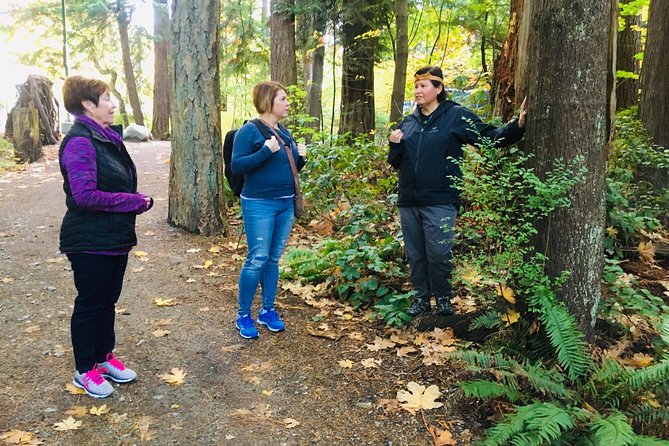
The first portion of the walk leads through shaded forest trails toward Beaver Lake. You are not racing from one attraction to the next. The pace is relaxed, with pauses to look at trees, shrubs, berries, and other parts of the forest.
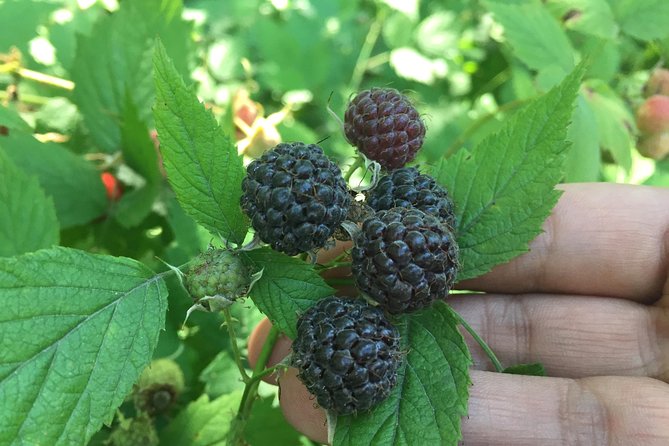
At each stop, your guide explains a plant’s use or cultural meaning. Some plants may be connected to food, others to medicine, technology, shelter, or art. You might learn about berries that can be picked and eaten, as one group did, or hear about medicinal properties associated with local trees and bushes.
The value here is learning how to look. Afterward, a cedar tree is no longer simply a tall tree beside the path. A berry bush is not just seasonal color. The forest becomes a place filled with decisions, skills, and memories.
Guides bring different personalities to the work. Gavin has been praised for adding personal context and encouraging discussion. Shay has been described as warm and attentive, and her tea helped make one small-group outing feel especially personal. Patrick handled many questions with patience, while Candace has been singled out for combining park knowledge with First Nations culture.
Because the route is short and the pace is easy, you have room to ask questions. This is useful if you know little about First Nations traditions or want to understand how plant knowledge was passed through families. The tour gives you a focused introduction, not a complete account of every nation or every historical issue connected with the region.
Beaver Lake and the forest teachings
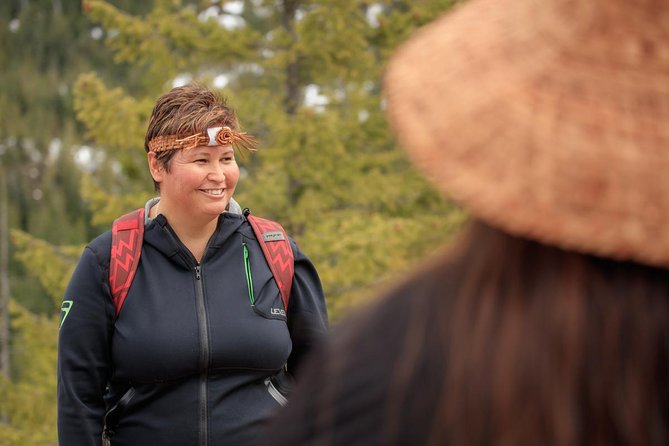
Beaver Lake is the heart of the walk. The trail loops around the lake, giving you a quiet setting for stories and observation. The route is more about forest details than dramatic scenery, so set your expectations accordingly. You are not booking a mountain viewpoint or a major architectural sight.
The best moments come when the guide connects a living plant to a human need. Food, medicine, clothing, shelter, tools, and art are not treated as separate subjects. They show how closely daily life depended on careful use of the forest.
You may also hear about sustainable practices and respect for natural resources. One guide explained how people traditionally accessed the forest while caring for it. That idea gives the walk a useful present-day lesson without turning it into a lecture.
The group may stop for Talaysay Hush Tea, an Indigenous tea blend included in the price. A warm cup is especially welcome on a cool or rainy day, and it adds a simple shared moment to the walk. The tea is served as a single cup, so do not expect a full snack break or meal.
The route around Beaver Lake is generally flat and comfortable. An 80-year-old participant who used a cane found the walk manageable, which is a helpful sign for anyone concerned about stamina. Still, this remains an outdoor forest walk. Wear sensible shoes and dress for Vancouver weather. The information provided does not promise a fully paved route or specific mobility equipment, so anyone with particular access needs should confirm details before booking.
More walking tours in Vancouver:
- Gastown Historic Walking Food Tour
★ 5.0 · 1,863 reviews - Vancouver Lost Souls of Gastown Walking Tour
★ 5.0 · 1,273 reviews - A Wok Around Chinatown: Culinary and Cultural Walking Tour Led by a Chef
★ 5.0 · 610 reviews - The Forbidden Downtown and Gastown Walking Tour
★ 5.0 · 476 reviews
Returning through Stanley Park
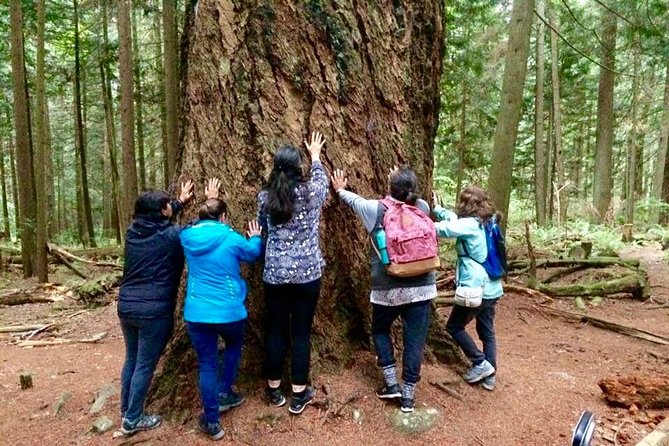
After the lake loop, you follow the trail back toward the bus loop. The return takes about five minutes in the formal itinerary, though the full walking experience lasts about 90 minutes and includes stops along the way.
This final stretch is useful for questions. You can clarify something about a plant, ask about the guide’s personal background, or simply talk about what you have heard. The ending is not a rushed handoff. You return to the same gazebo, where you can reach your vehicle, bus, or taxi, or continue exploring Stanley Park on your own.
Since the tour ends where it begins, it fits neatly into a day of sightseeing. You could pair it with the aquarium or Mini Train area, though allow enough time for parking and walking between activities. The tour itself does not include admission to other park attractions.
The guides make the experience personal
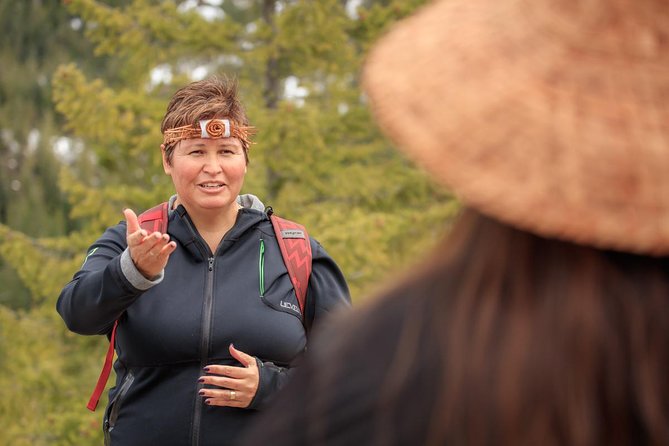
The strongest part of this experience is the human connection. A guide may explain Coast Salish traditions in broad terms, but the story becomes more memorable when it is tied to family and lived experience.
Alfonso has shared his ancestry and used a drum during a welcome. Wes has been praised for his gentle singing voice and spiritual drumming. Other guides, including Shay, Gavin, Patrick, Candace, and Tyrone, bring their own ways of explaining the forest and their communities.
That variety is worth keeping in mind. You are booking the program rather than a specific personality unless your reservation identifies a guide. The content will follow the same general purpose, but the rhythm, stories, and presentation can differ.
I would book this for someone who wants a real conversation, not just a scripted walk. It suits adults, families with children, solo visitors, and people visiting Vancouver for a horticultural or nature-focused trip. Children aged 8 and 10 took part successfully with a parent, and the easy pace leaves room for questions.
The tour can also work well for people who already know Stanley Park. A familiar trail feels new when you understand the uses of the plants and the long relationship between First Nations communities and the forest.
What the $60.08 price includes
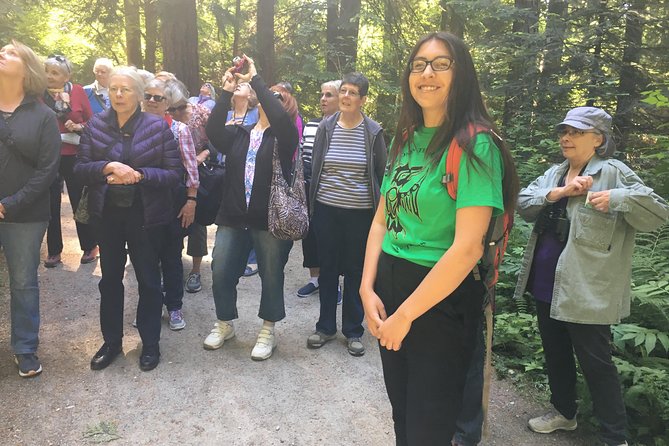
At $60.08 per person, this is not the cheapest way to walk in Stanley Park. You can follow many park trails without paying an admission fee. The price makes sense if you want a guide who can explain cultural traditions, plant uses, and personal history in one focused outing.
The included tea adds a small extra value, but the real cost is for the guide’s time and interpretation. You are paying for context that is difficult to gain from a map or a casual walk.
There are extra costs to plan for. Hotel pickup and drop-off are not included. Parking in Stanley Park is paid, and public transportation to the bus loop is your responsibility. Gratuities are optional.
The advertised maximum is 200 people, which is a large possible group for a forest walk. In practice, some departures have been very small, even one guide with one or two participants. A smaller group allows more questions and a closer connection. Since group size can vary, you should not assume every departure will feel intimate.
The tour is often booked about 29 days ahead, so reserve early if your Vancouver dates are fixed. Several departure times are available, which helps you fit it around other sightseeing.
Weather, walking, and what to bring
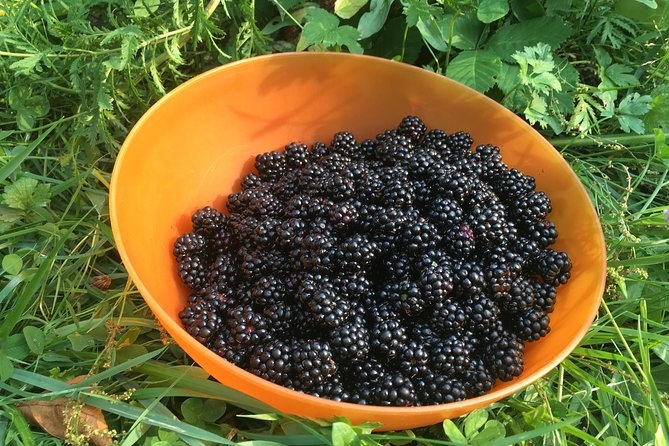
The walk is easy, but Vancouver weather can change the feel of it. A cool, rainy day does not cancel the value of the forest, and the tea can be comforting, but proper clothing will make the experience much better.
Wear comfortable shoes with dependable grip. Bring a rain layer and dress warmly outside summer. You will be standing during teaching stops, not only walking.
The route covers about 2 kilometers and is described as suitable for all fitness levels. Service animals are allowed, and most people can participate. If you use a mobility aid or need specific trail conditions, ask the operator before booking because the supplied information does not spell out every surface or accessibility detail.
The tour is offered in English. Confirmation arrives when you book, and the experience ends back at the original meeting point.
Who should book Talking Trees
Book it if you want to understand Stanley Park through Indigenous culture, plant knowledge, and personal storytelling. It is particularly useful for:
- Families looking for an educational outing that is not strenuous
- Solo visitors who enjoy conversation and guided learning
- Garden and nature enthusiasts
- People who have already seen the park’s main attractions
- Anyone wanting a respectful introduction to Coast Salish connections with the area
- Older walkers who prefer a flat, unhurried route
Think twice if you want a fast-paced sightseeing tour, dramatic viewpoints, or a detailed survey of every aspect of First Nations history. The experience offers a meaningful glimpse, not a full course. Its strength is focus: one forest, one lake, and a guide who helps you see both differently.
Should you book this Stanley Park tour?
I would book Talking Trees if you have 90 minutes and want more from Stanley Park than a pleasant walk. The gentle route, included Indigenous tea, and chance to hear personal stories from a First Nations guide give the outing real purpose.
The main things to check are the price, paid parking, meeting-point directions, weather, and possible group size. If you prepare for those details, this is a thoughtful way to connect the park’s beauty with the people and traditions tied to it. You leave with more than a few plant facts. You leave knowing why the forest matters.
FAQ
Where does the Talking Trees tour begin?
It begins at the Stanley Park Bus Loop in Vancouver, beside the Mini Train and Aquarium parking area. Meet your guide at the round, open-air wooden gazebo inside the bus loop.
Where does the tour end?
The tour ends back at the Stanley Park Bus Loop, the same place where it begins.
How long does the tour last?
The experience lasts approximately 1 hour and 30 minutes. The walking route covers a little more than 1 mile, or about 2 kilometers.
Is the walk difficult?
The walk is described as easy and suitable for all fitness levels. It follows a relaxed pace through forest trails and around Beaver Lake.
Who leads the tour?
A trained First Nations Cultural Land Ambassador leads the experience. Guides may include people such as Gavin, Shay, Alfonso, Candace, Patrick, Tyrone, or Wes, depending on the departure.
Is tea included?
Yes. The tour includes one cup of Talaysay Hush Tea, an Indigenous tea blend.
Is transportation included?
No. Hotel pickup and drop-off are not included. You must arrange your own public transportation, taxi, or car travel to Stanley Park.
Do I have to pay for parking?
Yes. Stanley Park has paid parking throughout the park, and parking fees are not included in the tour price.
Can I cancel for a full refund?
Yes, if you cancel at least 24 hours before the experience start time. Cancellations or changes made less than 24 hours before the start time are not refunded or accepted.
Recently reviewed around Vancouver
- West Coast Party Crawl – Route B★ 4.4 · 13 reviews
- Vancouver: Morning Kayak & Seal Cruise★ 4.9 · 6 reviews
- Vancouver: Zodiac Whale Watching Tour from Granville Island★ 4.6 · 6 reviews
- West Coast Party Crawl – Route A★ 4.5 · 9 reviews
- Vancouver: Self-Guided Smartphone Walking Tour of Gastown★ 4.0 · 15 reviews
- Vancouver Waterfront Guided Bike/E-Bike Tour★ 5.0 · 3 reviews
- Vancouver: Waterfront Sightseeing Tour – City and Waterfall★ 4.9 · 8 reviews
- Vancouver UNESCO Biosphere Reserve Wildlife Scenic Boat Tour★ 5.0 · 5 reviews
Stanley Park Tours, compared.
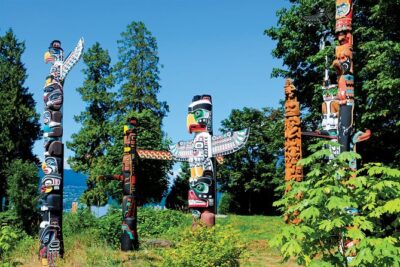
Vancouver City Sightseeing Tour: Granville Island & Stanley Park
Read our review →
Vancouver Tour: Stanley Park, Granville Island & Capilano Bridge
Read our review →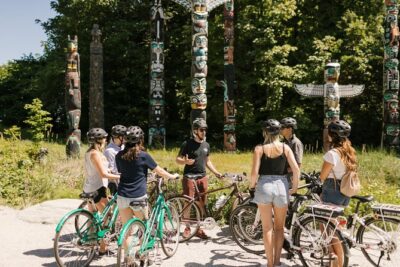
The Stanley Park Bicycle Tour by Cycle City Tours
Read our review →
Sunset Bus Tour: Stanley Park & English Bay Photostops
Read our review →Browse the lists this tour appears in