
Reviewed · STANLEY PARK TOURS
Vancouver: Stanley Park Talking Trees Tour
Stanley Park becomes much more than a pretty city park on this 90-minute walk. With a local Indigenous guide, you’ll learn how Coast Salish peoples have used its trees and plants for food, medicine, tools, and daily life. The focus is not simply on naming species. It is on seeing the living world as a source of knowledge and connection.
I like the personal family stories and the chance to taste Indigenous herbal tea at Beaver Lake. I also like the leisurely pace, with frequent stops instead of a forced march through the forest. The main consideration is that this is a walking and conversation tour, not a sightseeing circuit. If you want big viewpoints, transportation, or a fast overview of Vancouver, choose something else.
Key points to know before you book
- A 2.2-kilometer walk: The route moves at an easy pace, with regular stops for discussion and plant exploration.
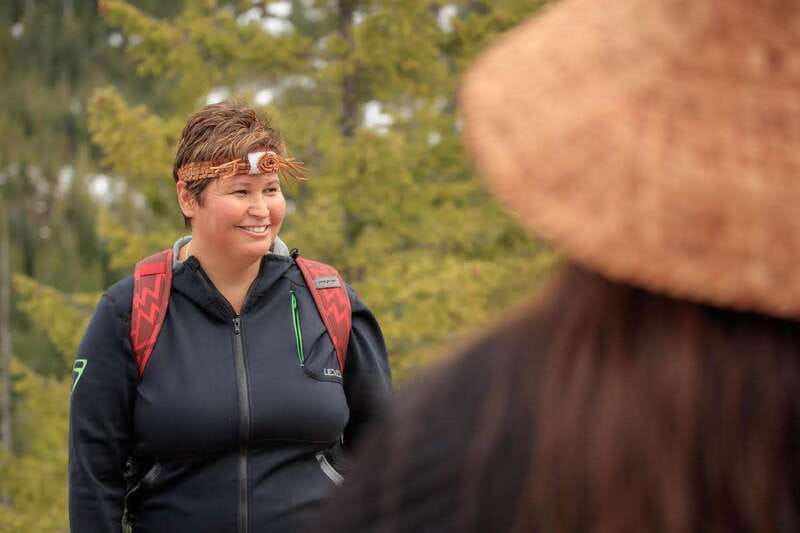
- A local Indigenous guide: Your cultural ambassador shares Coast Salish traditions, ecological practices, stories, and family connections to the land.
- Beaver Lake is the quiet finale: The walk includes an Indigenous herbal tea and tea ceremony near the lake.
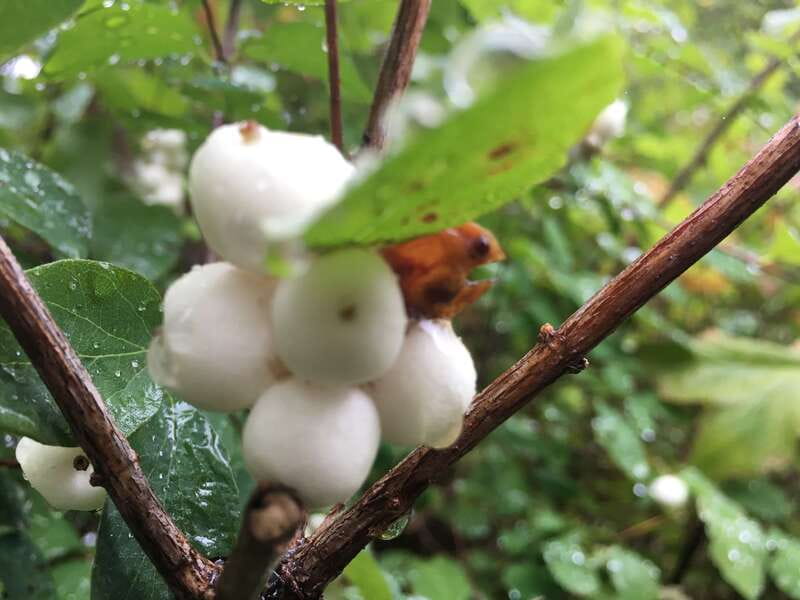
- Seasonal tasting is possible: Depending on the time of year, you may sample Indigenous berries growing in the park.
- Best for older children and adults: The tour is recommended for ages 12 and up, though younger children may join if the guide feels it is suitable.
- Meeting point matters: Meet beneath the gazebo at the Stanley Park Bus Loop near the Miniature Railway, not at the Historic Loop by the park entrance.
Seeing Stanley Park through Indigenous knowledge
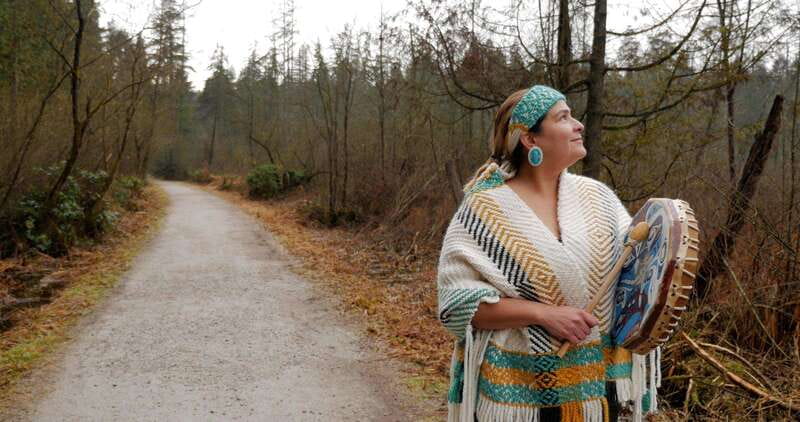
Many visitors first experience Stanley Park as Vancouver’s giant green escape, a place for seawall walks, bikes, and bright views across the water. This tour gives you a different entry point. The trees are not just scenery, and the plants are not simply background decoration. Each one has a use, a story, or a place in the relationship between people and the natural world.
Your guide is a member of a local Indigenous community or a nearby regional community. That matters because the tour is built around lived cultural knowledge rather than a standard botanical lecture. You’ll hear about how ancestors harvested plants for food and medicine, how trees could support technology, and how older practices still have meaning today.
I particularly like the way this changes your attention. Instead of walking past a plant without a thought, you may begin asking what it provides, how it grows, and why it matters. The guide also connects ancient practices with contemporary life, so the conversation is not locked in the past.
The strongest part of the experience is its human scale. A guide shares stories through family and cultural connection, giving the walk a sense of place that a printed park map cannot provide. You are not just collecting facts about Stanley Park. You are being asked to consider a different way of relating to it.
More Stanley Park tours:
- Vancouver City Sightseeing Tour: Granville Island & Stanley Park
★ 4.5 · 1,782 reviews - Vancouver Tour: Stanley Park, Granville Island & Capilano Bridge
★ 4.5 · 1,778 reviews - The Stanley Park Bicycle Tour by Cycle City Tours
★ 5.0 · 785 reviews
Starting at the correct Stanley Park bus loop
The tour begins at the Stanley Park Bus Loop, directly beneath the gazebo near the Miniature Railway and the Pavilion. The map reference provided for the meeting place is LOT-62F.
Pay close attention here. This is not the Historic Loop at the entrance of Stanley Park. The park has several transportation and gathering points, and arriving at the wrong one could create an avoidable scramble before the walk begins.
I would arrive early enough to locate the gazebo without rushing. Hotel pickup and drop-off are not included, so you need to make your own way to Stanley Park. Once you meet the guide, the route returns to the same bus loop at the end.
The meeting point has a practical advantage: it places you inside the park, near the Miniature Railway and Pavilion, rather than beginning with a long approach from the park entrance. Still, Stanley Park is large, so leave extra time if you are coming by public transit, taxi, or on foot.
A gentle 2.2-kilometer walk with frequent stops
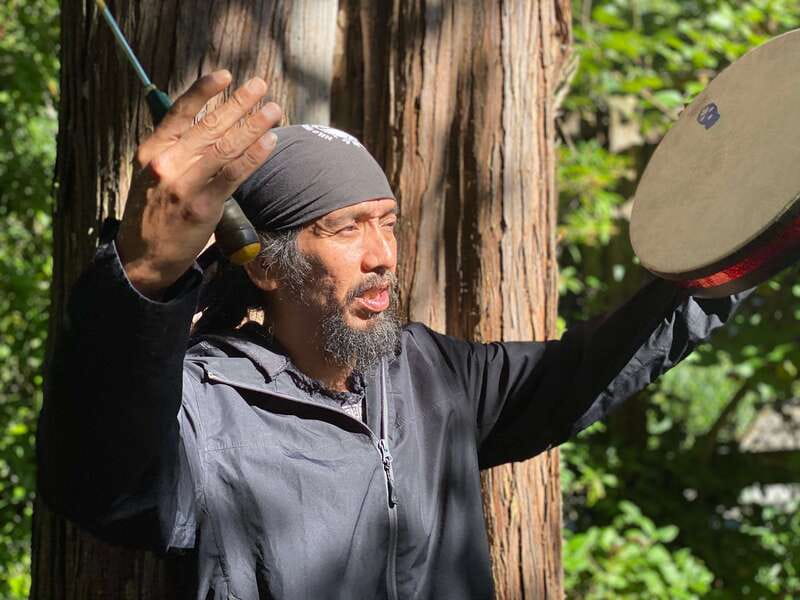
The walking portion lasts about 90 minutes and covers approximately 2.2 kilometers. That distance is modest, but the real rhythm comes from the stops. You’ll pause to examine plants, listen to stories, and discuss how local Indigenous communities have worked with the natural world.
This is not a strenuous hike. It is a guided walk at a leisurely pace. Comfortable shoes are still important because the tour takes place outdoors and the surface or weather may vary. Layers are a smart choice in Vancouver, where conditions can shift with the season.
The frequent stops make the experience suitable for people who prefer a thoughtful outing over a workout. You have time to look closely and ask questions. The tradeoff is that you will not cover a large portion of Stanley Park or see every major attraction.
Do not expect a bus tour, a long-distance nature trek, or a formal museum presentation. The strength of this activity is its unhurried pace and direct contact with the guide. You’ll spend much of the time listening and observing, so it suits you best if you enjoy conversation and cultural learning.
Learning what trees and plants provide
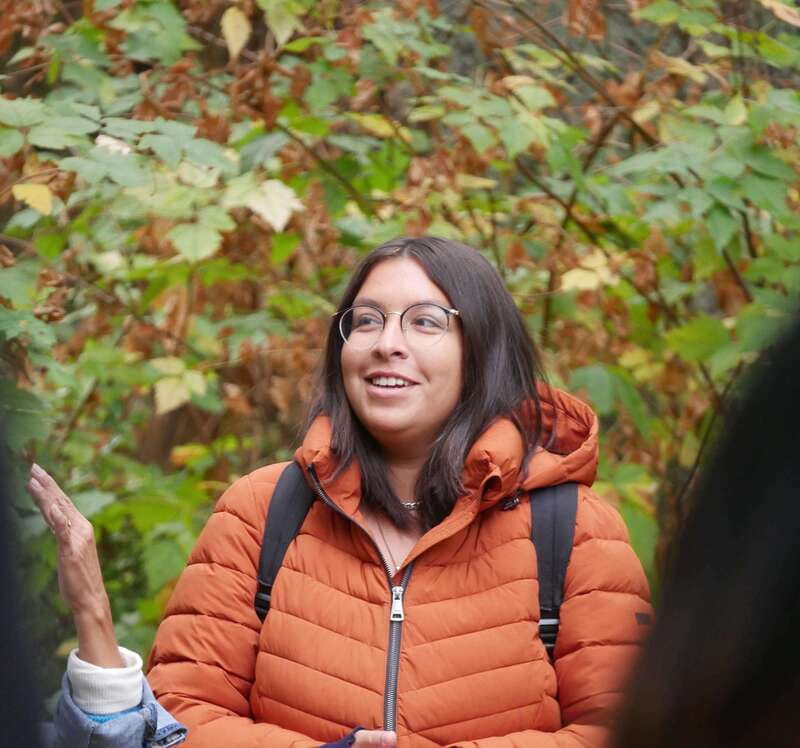
The guide explains how Pacific Northwest trees and plants have been harvested for food, medicine, and technology. That final category is worth noting. The natural world was not simply a pantry or pharmacy. Plants and trees could also support practical tools, materials, and everyday needs.
You’ll learn about the ways local people use the land, along with ecological practices and customs passed through generations. The information is tied to the actual surroundings, which helps it feel relevant rather than abstract.
I like this approach because it gives you several ways to understand a plant. You may hear about its physical features, its seasonal use, and its role in cultural tradition. The guide also discusses ancient and contemporary Indigenous ways of living, showing that these ideas are not merely historical footnotes.
Seasonal conditions affect what you see and taste. Indigenous berries grow throughout the park, and you may have a chance to sample them depending on the time of year. That possibility is a nice bonus, but it should not be treated as a guaranteed part of every departure.
The tea is more dependable. The tour includes complementary Indigenous herbal tea, served during a tea ceremony at Beaver Lake. This gives the walk a calm ending and lets you connect the subject of plants with a direct, sensory experience.
Same city, a very different sort of afternoon:
- Vancouver Half-Day Whale Watching Adventure with Free Photos
★ 5.0 · 5,000 reviews - Big Bus Vancouver Hop-On Hop-Off Sightseeing Tour
★ 3.5 · 3,028 reviews - Victoria & Butchart Gardens Tour with Ferry from Vancouver
★ 4.5 · 2,703 reviews - Vancouver: Covered Whale Watching Adventure with Free Photos
★ 4.8 · 2,260 reviews
Stories, legends, and family connections
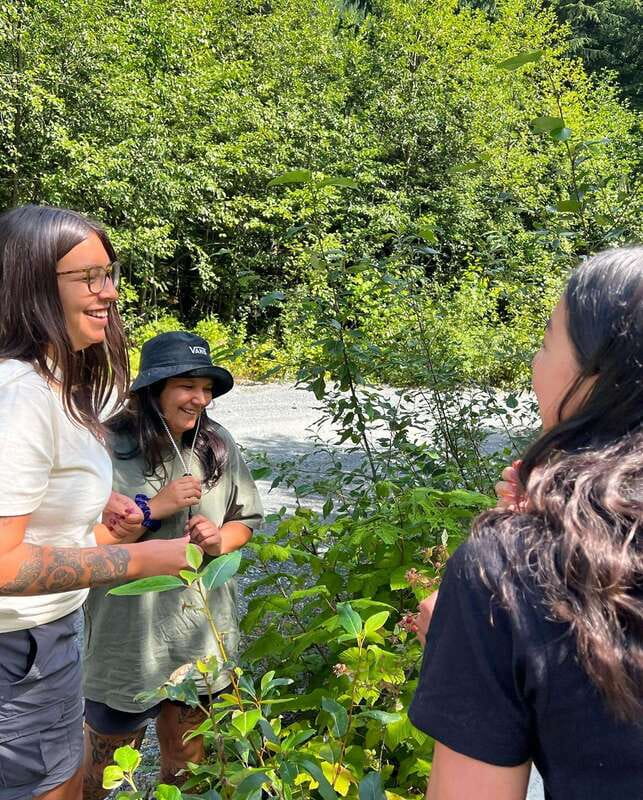
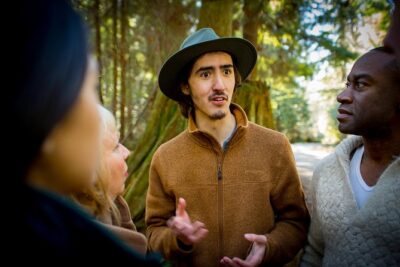
The guide does more than identify plants. You’ll hear stories, legends, ecological practices, and accounts of how Indigenous communities have lived with the land. The guide’s personal relationship to family and culture is an important part of the presentation.
One of the most meaningful aspects is the sense that the stories are shared with care. You may hear how ancestors used the area and how those values can still inform modern life. This adds emotional weight without requiring the tour to become a formal history lesson.
The exact stories will depend on the guide and the season, so you should expect a conversation shaped by the group and the places you visit. That variety is part of the appeal. It also means the experience is less predictable than a scripted attraction.
You’ll need to listen actively. This is not the right choice if you want constant entertainment, dramatic scenery, or a stream of quick facts. It rewards patience. Give the guide room to explain ideas fully, and you’ll get more from the walk.
Beaver Lake and the Indigenous tea ceremony
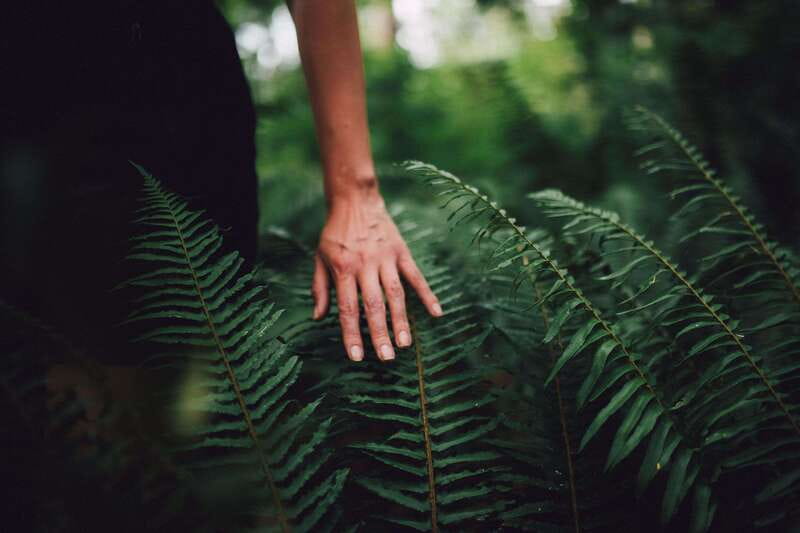
Beaver Lake provides the natural pause point for the experience. After walking through Stanley Park and discussing the uses of local plants, you’ll stop for Indigenous herbal tea and a tea ceremony.
The setting helps bring the themes together. Rather than ending beside a gift shop or returning immediately to the meeting point, the tour allows time for reflection near the lake. The tea offers a simple but memorable link between cultural practice and the plants discussed along the route.
You might also taste seasonal berries from the park, though availability depends on the time of year. If berry tasting is important to you, keep your expectations flexible. The tea is included, while the berries are a seasonal possibility.
This portion should appeal to you if you enjoy experiences that slow down near the end. It is not a meal, and it is not a full cooking demonstration. Think of it as a small cultural ritual that gives the walk a clear closing moment.
Why the $58 price can make sense
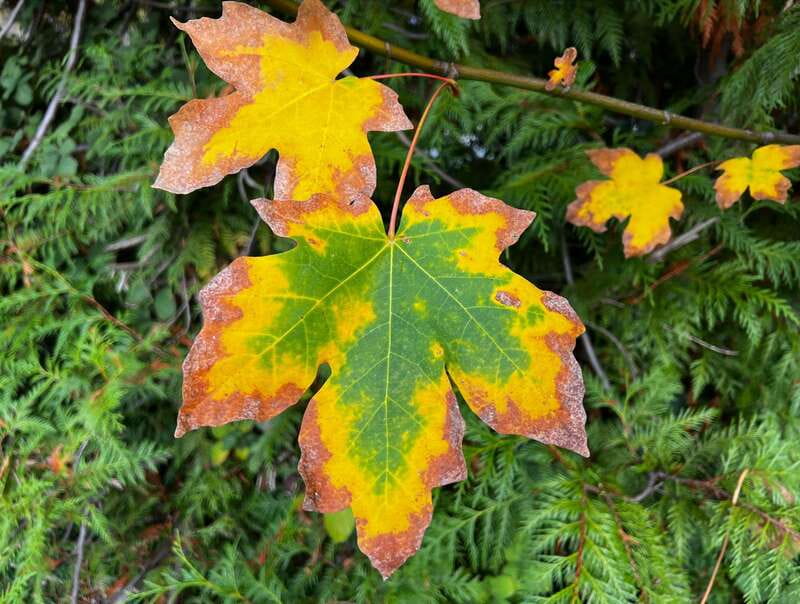
At $58 per person, this tour costs more than a self-guided walk through Stanley Park. You can enter the park without paying for admission, so the price is not buying access to the trees or Beaver Lake. It pays for the guide’s time, cultural interpretation, personal stories, and the organized tea experience.
The value depends on what you want from Stanley Park. If you only need exercise or scenery, save your money and walk the park on your own. If you want context about Indigenous plant use and Coast Salish traditions, the fee is more reasonable because that is difficult to recreate with a map or a quick online search.
The 90-minute length also works well in a busy Vancouver schedule. You can fit the walk into a morning or afternoon without giving up a full day. Since the group moves slowly, the experience feels substantial without becoming tiring.
I would consider it good value for visitors who care about local culture and guided nature experiences. It is less useful for anyone seeking a broad Vancouver orientation, scenic transportation, or a list of the city’s top landmarks.
Who will enjoy this experience most
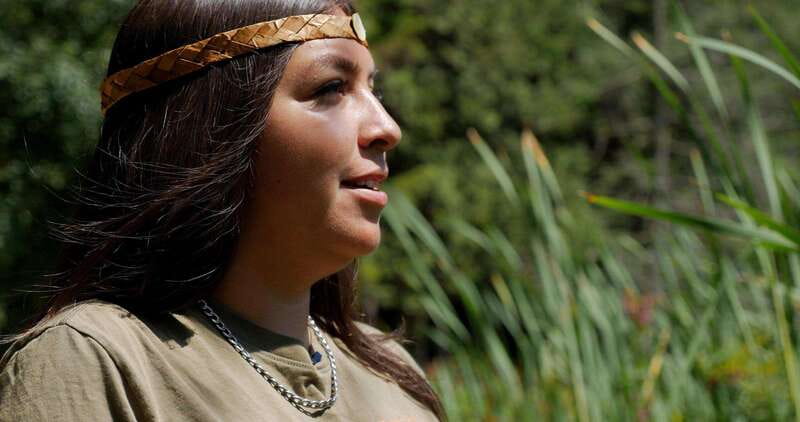
This tour suits adults, older children, couples, solo visitors, and families who enjoy learning outdoors. The recommended age is 12 and older, but younger children may join if you believe the subject and pace are a good fit. Speak with the guide about younger children when booking or arriving.
You’ll likely enjoy it if you:
- Like cultural experiences led by local community members
- Prefer a relaxed walk to a strenuous hike
- Want to learn how plants support food, medicine, and technology
- Appreciate stories and discussion more than photo stops
- Have an interest in Coast Salish traditions and Indigenous ways of living
You may want another activity if you need step-free details, want a highly active outing, or dislike spending 90 minutes listening outdoors. The available information does not provide detailed accessibility specifications, so contact the provider directly if you have specific mobility needs.
Bring comfortable shoes and clothing suited to the weather. In warmer months, sunglasses, sunscreen, and a hat are sensible. Leave luggage and large bags behind, since they are not allowed on the tour.
A practical choice for a slower Vancouver morning
This experience works especially well as a counterpoint to Vancouver’s more familiar sights. You can spend one part of your visit on the seawall, at a lookout, or in the city center, then use this walk to learn about the people and traditions connected to the park.
The English-speaking guide keeps the experience focused. Since the tour is only 90 minutes, you will not receive a full account of every Indigenous nation in British Columbia, nor a complete guide to Stanley Park’s ecology. What you do get is a focused introduction through specific plants, stories, and cultural practices.
The small details matter. Wear shoes you can walk in comfortably. Use layers. Check the meeting point twice. Arrive without a suitcase or large day bag. These simple steps keep the experience pleasant and prevent the logistical problems that can sour an otherwise good outing.
The cancellation policy is flexible: you can cancel up to 24 hours before the start for a full refund. You can also reserve now and pay later, which helps if your Vancouver plans are still shifting.
Should you book the Talking Trees Tour?
Book it if you want to see Stanley Park through Indigenous knowledge rather than simply pass through it. The local guide, family connections, plant uses, legends, and Beaver Lake tea ceremony give the walk a clear purpose.
I would especially recommend it for anyone who values respectful cultural learning and a calm outdoor pace. The most praised qualities are the guide’s passion, the personal connection to ancestors and land, and the practical explanation of how plants were used in daily life.
Skip it if you want dramatic viewpoints, extensive park coverage, or a fast-moving sightseeing tour. At $58, it makes sense only when the cultural interpretation is the main reason you are going. For the right visitor, it is a thoughtful way to spend 90 minutes in one of Vancouver’s best-known public spaces.
FAQ
Where does the Talking Trees Tour meet?
Meet directly beneath the gazebo at the Stanley Park Bus Loop near the Miniature Railway and the Pavilion. The map reference is LOT-62F. Do not go to the Historic Loop at the entrance of Stanley Park.
How long is the tour?
The tour lasts 90 minutes. It covers approximately 2.2 kilometers at a leisurely pace, with frequent stops for discussion and exploration.
What language is the tour offered in?
The live guided tour is offered in English.
Is the tour suitable for children?
The tour is recommended for children aged 12 and older. Younger children may join if you feel the experience is suitable for them, and the guides are happy to include them.
Is tea included?
Yes. The tour includes Indigenous herbal tea and a tea ceremony at Beaver Lake.
Can I taste Indigenous berries?
You may be able to taste Indigenous berries growing in the park, depending on the time of year. Berry tasting is seasonal and is not guaranteed on every tour.
What should I bring?
Bring comfortable walking shoes and clothing suited to the weather. Layers are recommended, and sunglasses, sunscreen, and a hat are useful in warmer weather. Luggage and large bags are not allowed.
Recently reviewed around Vancouver
- West Coast Party Crawl – Route B★ 4.4 · 13 reviews
- Vancouver: Morning Kayak & Seal Cruise★ 4.9 · 6 reviews
- Vancouver: Zodiac Whale Watching Tour from Granville Island★ 4.6 · 6 reviews
- West Coast Party Crawl – Route A★ 4.5 · 9 reviews
- Vancouver: Self-Guided Smartphone Walking Tour of Gastown★ 4.0 · 15 reviews
- Vancouver Waterfront Guided Bike/E-Bike Tour★ 5.0 · 3 reviews
- Vancouver: Waterfront Sightseeing Tour – City and Waterfall★ 4.9 · 8 reviews
- Vancouver UNESCO Biosphere Reserve Wildlife Scenic Boat Tour★ 5.0 · 5 reviews
Stanley Park Tours, compared.
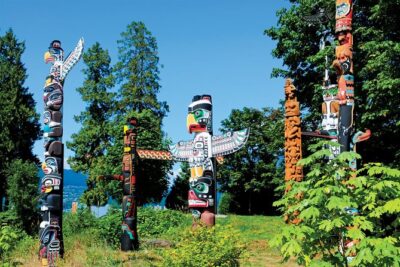
Vancouver City Sightseeing Tour: Granville Island & Stanley Park
Read our review →
Vancouver Tour: Stanley Park, Granville Island & Capilano Bridge
Read our review →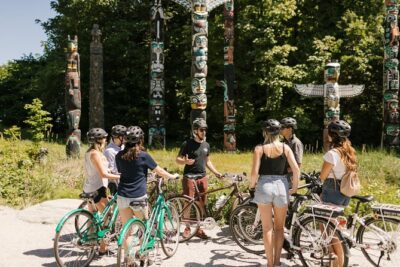
The Stanley Park Bicycle Tour by Cycle City Tours
Read our review →
Sunset Bus Tour: Stanley Park & English Bay Photostops
Read our review →Browse the lists this tour appears in